



Asinara National Park
A sanctuary of biodiversity, a place where nature expresses itself in all its splendid variety.
Asinara National Park: A Natural and Historic Sanctuary
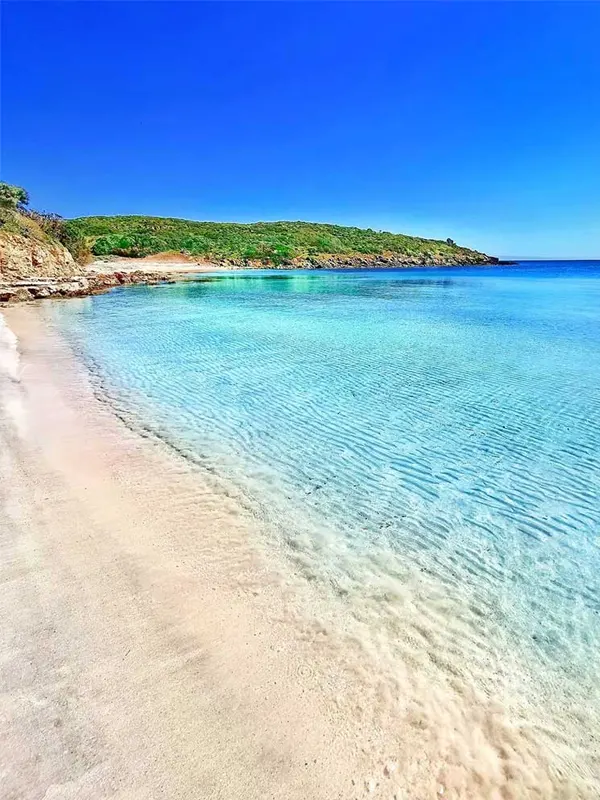
In the heart of the Mediterranean, off the northwest coast of Sardinia, lies Asinara, an island that holds a world of extraordinary biodiversity and a fascinating history. Declared a National Park in 1997, Asinara offers its visitors unspoiled landscapes, where nature reigns supreme, and tales of a past that saw the island transformed from a place of confinement into a sanctuary for wildlife.
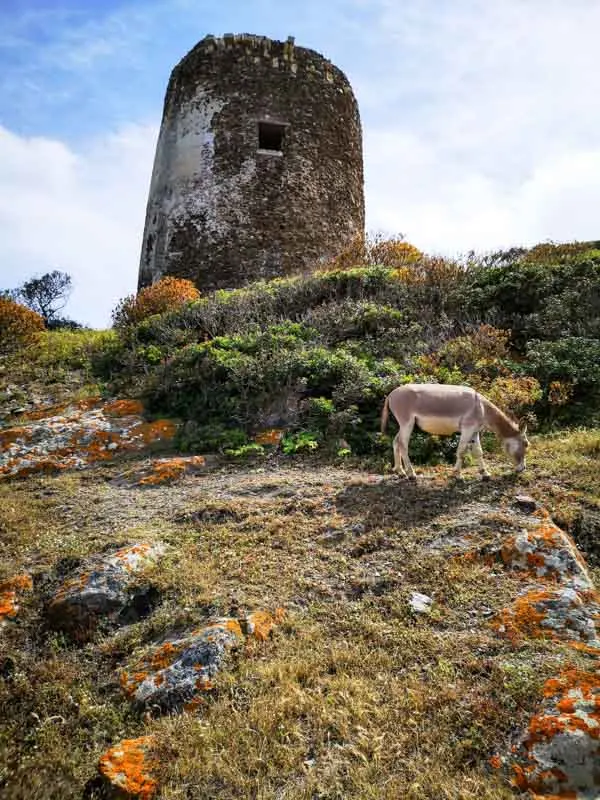
The island of Asinara, with its crystal-clear waters, deserted beaches and adventurous trails, is a true paradise for nature lovers, history enthusiasts and anyone who wants to immerse themselves in a unique experience, far from conventional tourist routes. Here, wildlife, among which the famous albino donkeys stand out, lives free and protected, in an ecosystem that has been carefully preserved and respected.
Visiting it means embarking on a journey through wild and fascinating nature, discovering the traces of a human past that has left indelible marks, but which today coexists harmoniously with a present dedicated to the protection and enhancement of natural and cultural heritage. Asinara is a place of beauty, mystery and learning, where every corner of the island tells a story waiting to be discovered.
The Fauna and Flora of Asinara: Biodiversity on an Island
Asinara National Park is a sanctuary of biodiversity, a place where nature expresses itself in all its splendid variety. This island is a microcosm of Mediterranean ecosystems, home to endemic and rare species, some of which are protected internationally.
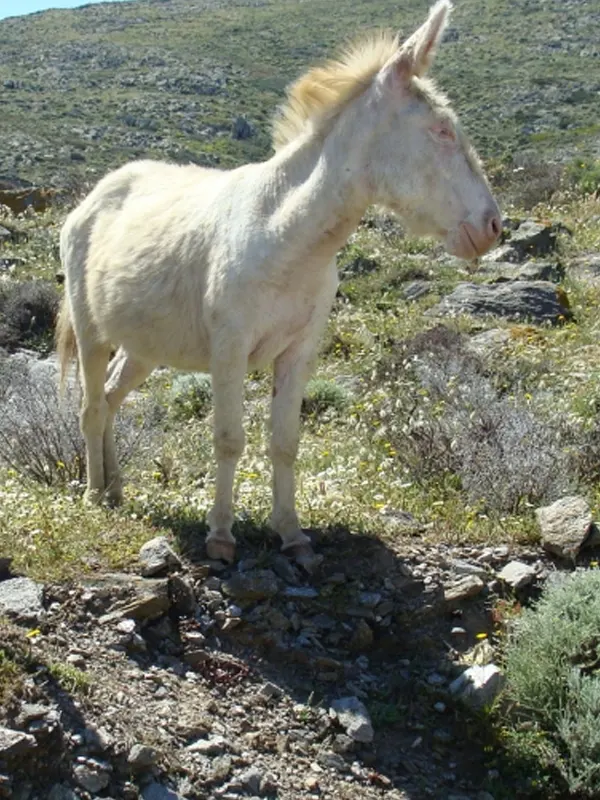
Among the undisputed stars of Asinara’s fauna are the albino donkeys, symbol of the island and a unique biological curiosity. These animals, together with mouflons, wild boars and a variety of seabirds and birds of prey, including Bonelli’s eagle and Eleonora’s falcon, make every excursion an unforgettable experience for lovers of wild nature.
Asinara’s flora is no less remarkable, with a richness of species that reflects the variety of habitats on the island. From dense, fragrant Mediterranean scrub, rich in rockrose, myrtle and mastic, to wetlands where rare aquatic plants thrive, the island is a true natural laboratory. The presence of Posidonia oceanica meadows underwater plays a crucial role in the conservation of marine biodiversity, providing shelter and nourishment for many fish species.
The conservation of this biological richness is a priority for Asinara National Park, which adopts protection and monitoring strategies to ensure the survival of species and the health of ecosystems. The commitment to scientific research and to raising visitors’ awareness of the importance of biodiversity underlines the will to preserve this natural heritage for future generations.
History and Memory: The Cultural Roots of Asinara
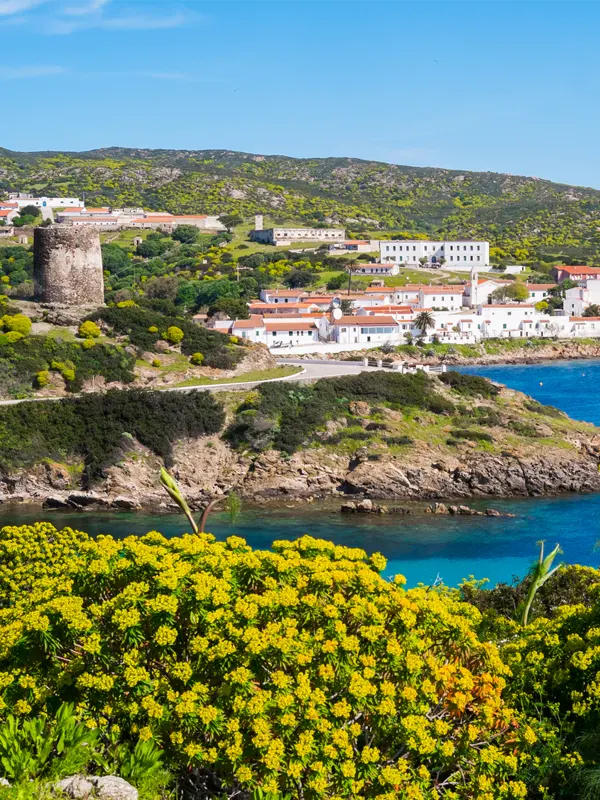
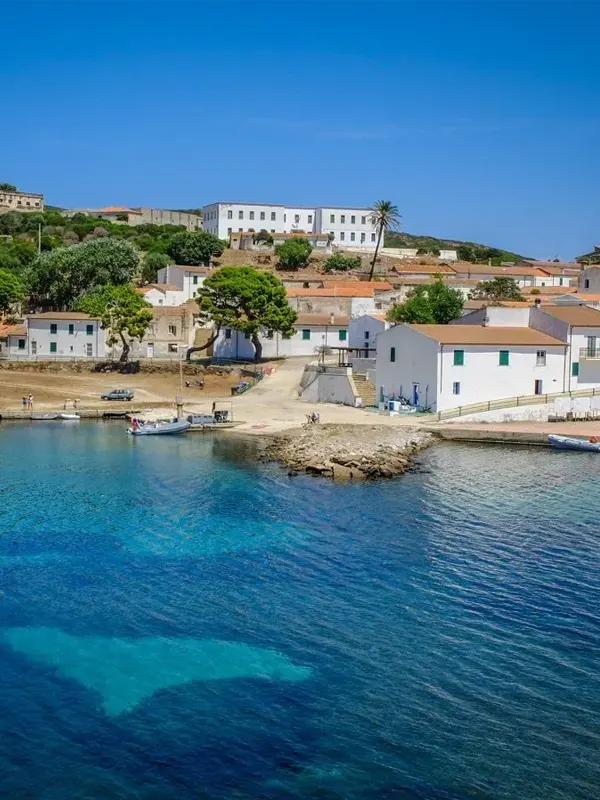
Asinara National Park safeguards not only natural treasures but also significant chapters of Italian history. With its complex and at times painful past, the island tells stories of isolation and rebirth, of imprisonment and hope. Once a place of confinement, it became a prisoner-of-war camp during World War I, then, over the course of the twentieth century, a penal colony and later a maximum-security prison until its closure in 1997.
This past has left tangible traces on the island, such as the former prison and the abandoned buildings, which have now become an integral part of the visitor experience, offering direct testimony of the historical events that shaped Asinara. The transformation of the island into a national park symbolizes a new chapter, in which nature conservation and historical memory intertwine, offering visitors valuable lessons about the value of peace and respect for the environment.
Beyond its recent history, Asinara has deep cultural roots, with legends and myths dating back to ancient times. These stories, handed down from generation to generation, add to the island’s mysterious charm, inviting reflection on human events and the resilience of nature.
A visit to Asinara is therefore a journey through time, a chance to immerse yourself in a living history that invites reflection. The island reveals itself not only as a place of extraordinary natural beauty, but also as an open-air museum, where every stone and every path tells a part of Italian and Sardinian history.
Activities and Experiences: Living Asinara
Asinara National Park invites visitors to enjoy a wide range of outdoor activities that showcase the island’s natural and historical heritage, offering unique and unforgettable experiences. From trekking along trails that cross breathtaking landscapes to bike excursions, Asinara is the ideal place for those seeking adventure and contact with unspoiled nature.
For sea lovers, the island offers exceptional opportunities for snorkeling and scuba diving, thanks to its crystal-clear waters and rich marine life. Exploring the seabed around Asinara lets you discover an underwater world of extraordinary beauty, home to a variety of marine species.
Beyond nature-based activities, Asinara also offers the chance to join guided tours dedicated to its history. These cultural excursions take visitors to discover the former prison buildings, archaeological sites and landmark places of the island, offering an in-depth perspective on its complex and fascinating past.
For those who want to fully immerse themselves in the island’s tranquility, Asinara is also a perfect place for mindfulness and outdoor yoga, where the silence and peace of the natural setting contribute to a deeply relaxing experience.
With its many opportunities, Asinara proves to be a destination that offers much more than a simple visit: it is an experience that enriches, that stirs curiosity and respect for the environment, leaving visitors with an unforgettable memory.
Conservation and Sustainability: Protecting Asinara’s Heritage
Asinara National Park is an excellent model of balance between nature conservation and visitor access, underscoring the importance of preserving such a unique environment for future generations. The park’s management is based on principles of sustainability and respect for the ecosystem, with the aim of minimizing human impact on the island and promoting environmental awareness among visitors.
Among the most significant conservation initiatives are the control of access to the island, to avoid tourist overcrowding, and the regulation of activities at sea, to protect vulnerable marine habitats such as the Posidonia oceanica meadows, which are essential to the biodiversity of the marine ecosystem.
Asinara is also an important center for environmental research and education, where scientists and scholars study the island’s endemic flora and fauna to better understand how to protect and conserve its biodiversity. This research is crucial for developing effective conservation strategies and for educating future generations about the importance of environmental protection.
The park also promotes responsible tourism, encouraging visitors to follow sustainable practices, such as using designated trails, respecting wildlife and reducing waste. This approach not only helps preserve Asinara’s natural beauty, but also raises awareness of the importance of mindful and respectful behavior toward the environment.
In short, Asinara National Park is a living example of how nature and people can coexist in harmony, with a shared commitment to preserving a natural and cultural heritage of incalculable value.
Asinara, a Treasure to Discover and Preserve
Asinara National Park stands out not only as a splendid oasis of biodiversity and a place of deep historical significance, but also as a model of environmental sustainability and conservation. The island invites us to reflect on our relationship with nature and on our responsibility to preserve it for future generations.
Visiting Asinara means embarking on a journey that goes beyond simply discovering a place of extraordinary beauty. It is an experience that fosters environmental awareness, encourages reflection on the importance of biodiversity and strengthens our commitment to conservation. The island shows how it is possible to reconcile the needs of tourism with the protection of the environment, giving visitors the chance to actively contribute to protecting this unique heritage.
Asinara reminds us that every action counts in safeguarding the environment and that respect for the places we visit can make a difference in keeping the world a beautiful and livable place. The island is an invitation to travel responsibly, to explore with curiosity and respect, and to leave behind only the footprints of our steps.
In conclusion, Asinara is not just a national park to visit, but an example to follow, a place that embodies the values of respect, conservation and love for our planet. It is a treasure that enriches the spirit, brightens the mind and inspires positive action toward the environment around us, helping us understand the vital importance of every single species and every single ecosystem in the fabric of life on Earth.